How Security Cameras Can Help with Insurance Claims
Storm damage, theft and vandalism can leave homeowners and business owners dealing with more than just repairs. After the immediate shock of an incident, the next challenge often involves documenting what happened and working through an insurance claim. That process can become much easier when clear evidence exists.
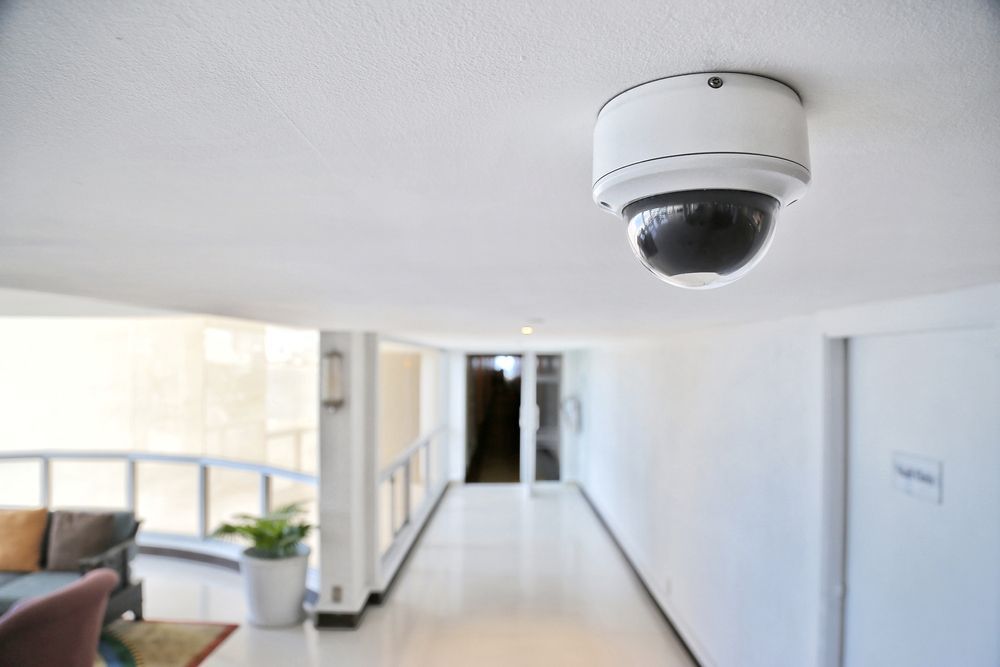
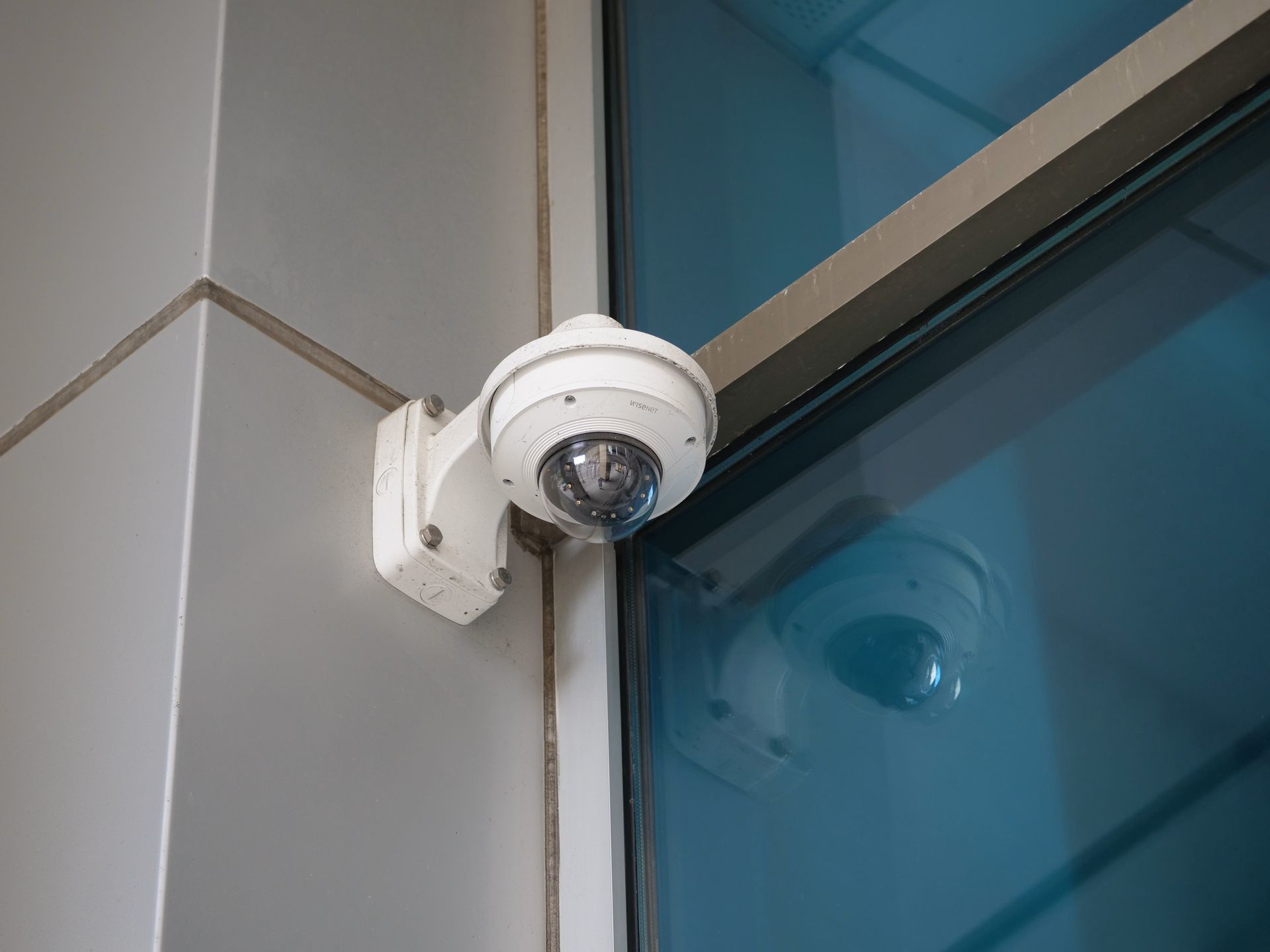
This is where security cameras in Tweed Heads can make a real difference. Recorded footage provides visual proof of events, helping insurers understand what happened and when it occurred. Instead of relying solely on written descriptions or witness statements, you can show the exact sequence of events.
For many property owners, cameras serve as both a preventative tool and a form of protection after something goes wrong. From documenting suspicious activity to capturing severe weather damage, video evidence can help support claims and reduce the stress of proving what occurred.
Why Video Evidence Matters After Theft or Property Damage
When property goes missing or damage appears unexpectedly, the biggest challenge is often proving exactly what happened. Insurance providers require clear documentation before they approve claims, and without strong evidence the process may take longer.
Security cameras can capture:
- The moment a theft takes place
- Suspicious individuals entering a property
- Vehicles involved in an incident
- Vandalism or trespassing
- Storm debris damaging structures
- Flooding or water intrusion events
This kind of footage offers something written reports cannot provide: visual confirmation. Imagine a situation where tools disappear from a shed or equipment goes missing from a worksite. Without video evidence, the claim relies on estimates and reports. With recorded footage, insurers can see the time, method and scale of the incident. This clarity helps remove uncertainty.
Businesses benefit even more from camera documentation. Retail stores, warehouses and workshops often contain valuable stock or machinery. If theft or damage occurs, cameras create a timeline that helps insurers determine the legitimacy of the claim quickly.
Can Insurers Accept Camera Footage as Evidence?
Insurance companies regularly accept video footage as supporting evidence during claim investigations. In fact, many insurers encourage policyholders to provide photos or recordings when possible. Video evidence works best when it includes clear details such as:
- Visible timestamps showing the exact date and time
- High-resolution footage that clearly shows people or events
- Consistent recording rather than short clips
- Multiple camera angles if available
Footage helps insurers verify several important factors. They can confirm when the incident occurred, identify potential suspects and assess the scale of the damage.
For example, a camera recording that shows someone breaking into a property or forcing open a gate gives insurers confidence that the claim relates to a genuine event. Similarly, footage showing strong winds tearing roofing materials away during a storm can support claims involving structural damage.
Another advantage involves claim transparency. When insurers can see exactly what happened, there is less guesswork involved. This clarity can prevent disputes about timelines or responsibility.
Does Camera Evidence Help Speed Up Insurance Claims?
In many cases, recorded footage can significantly reduce the time required to process a claim. Investigations often take longer when insurers must rely solely on written reports, witness statements or police records.
When clear footage exists, the process becomes more straightforward. Instead of investigating from scratch, claims teams can review video evidence and confirm key details quickly:
- When the incident occurred
- How the damage happened
- Whether external parties were involved
- The level of property damage
A simple timeline captured on camera can remove several layers of investigation. Consider the difference between two claims involving stolen equipment:
- Without footage: The insurer may request police reports, additional statements and item verification.
- With footage: A timestamped recording shows the theft taking place, confirming the event immediately.
The second situation usually moves forward faster because fewer questions remain unanswered.
Security systems also help document ongoing damage events. For instance, if a leaking pipe floods a storage area overnight, cameras may capture when the water began spreading. That information can help insurers determine the cause and timeframe of the damage.
Why Backing Up Your Security Footage Matters
Installing cameras is only part of protecting your property. Equally important is how the footage is stored. Imagine a break-in where thieves remove equipment from a workshop and also damage the recording device. If the footage only exists on the local recorder, the evidence disappears along with it.
Backing up recordings prevents this situation. Many modern security systems offer multiple storage options, including:
- Cloud storage that uploads recordings to secure remote servers
- Off-site backups stored away from the property
- External hard drive copies for long-term storage
- Mobile app access allowing owners to download clips immediately
Cloud-based storage has become especially valuable. When footage uploads automatically to a remote server, it remains safe even if the on-site equipment is damaged or stolen.
Business owners often use a combination of storage methods to keep their recordings secure. This layered approach protects valuable evidence if something goes wrong.
For insurance purposes, the ability to retrieve footage quickly can also help move claims forward. Instead of searching through days of recordings, many systems allow users to locate events by timestamp or motion detection alerts.
Security Cameras Provide Protection Beyond Claims
While camera footage proves helpful during insurance claims, its value extends far beyond paperwork and documentation.
Many property owners install surveillance systems primarily to discourage crime. Visible cameras often reduce opportunistic theft and trespassing because potential offenders know they may be recorded. The benefits often include:
- Deterring intruders from entering a property
- Monitoring deliveries and visitors
- Watching remote equipment or storage areas
- Tracking activity around gates and entry points
- Protecting vehicles, machinery or livestock
Businesses gain additional advantages. Cameras can monitor after-hours activity, help investigate workplace incidents and provide evidence if disputes arise.
For homeowners, cameras offer peace of mind when travelling or working away from home. Remote viewing through mobile apps allows property owners to check on their home at any time.
Over time, this combination of deterrence and documentation creates stronger protection for both property and insurance coverage.
Choosing the Right Camera System for Your Property
Not all security cameras operate the same way. Selecting the right system can improve the quality of evidence captured during an incident.
When choosing a camera setup, consider features that strengthen documentation and recording quality:
- High-definition video resolution for clear identification
- Night vision capabilities for low-light recording
- Wide-angle coverage to capture larger areas
- Weather-resistant equipment for outdoor installation
- Motion-triggered recording that highlights key events
- Mobile access to download footage instantly
Placement also plays a major role. Cameras should cover entry points, driveways, loading areas and locations where valuable items remain stored. A well-designed layout captures activity from multiple angles, improving the usefulness of recorded footage.
People Googling for security cameras near me often discover how much technology has improved in recent years. Modern systems combine high-quality video, remote access and secure storage, creating a far stronger layer of protection than older surveillance setups.
With the right configuration, cameras become a practical investment that supports both security and insurance documentation.
Protect Your Property with Smart Surveillance
Incidents such as theft, storm damage or vandalism can create major disruptions for homeowners and business operators. Insurance policies help cover the financial impact, but proving what happened remains a crucial part of the claims process.
Clear video evidence can provide that proof. Cameras document events as they unfold, helping insurers verify incidents quickly and assess claims with confidence. When combined with secure backups and quality recording systems, this footage becomes a powerful tool for protecting both property and financial interests.
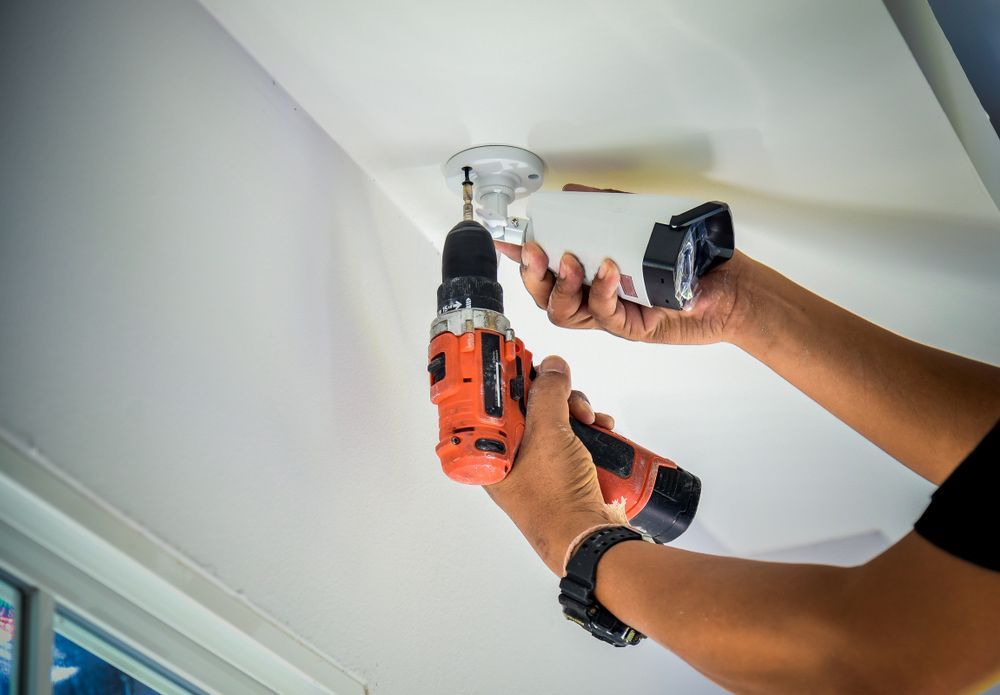
If you're considering security cameras in Tweed Heads, the team at Stewys installs systems designed to capture clear, useful footage. Serving Tweed Heads and the surrounding region, they help homeowners and businesses protect their premises with modern surveillance technology.
Get in touch today to discuss installing security cameras Tweed Heads locals rely on for protection, monitoring and peace of mind.