
Stormwater Drainage in Kingscliff
Customer Focused
Fast & Efficient Service
Quality Workmanship
Licensed & Insured
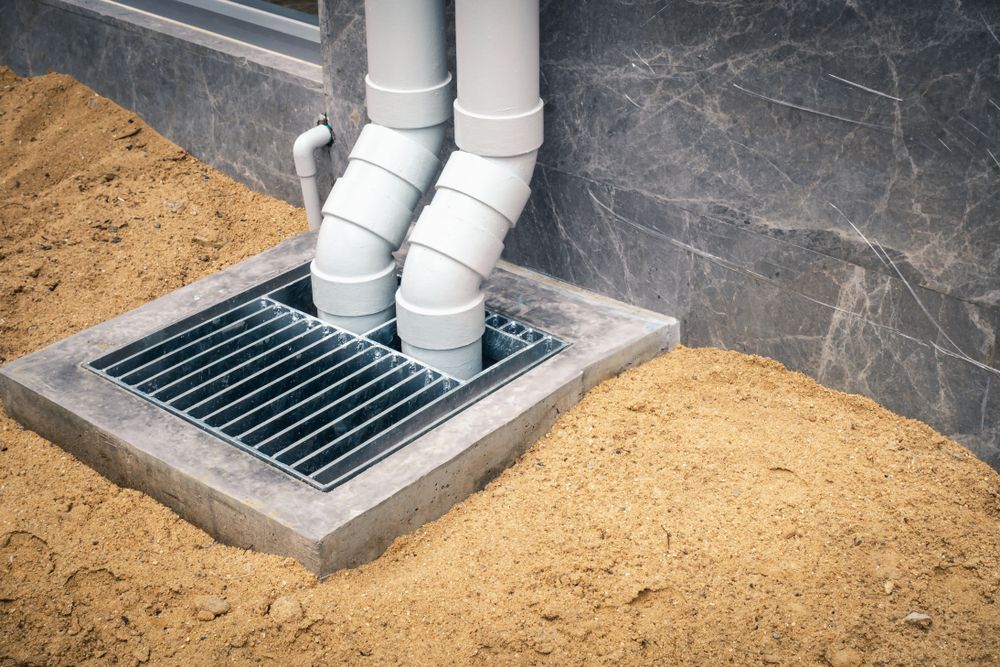
When Water Has Nowhere to Go
After heavy rain, pooling water around your home isn’t just inconvenient but also a warning sign. At Stewys, we design and install stormwater drainage in Kingscliff to move runoff safely away from foundations, driveways and landscaped areas. Poor drainage can lead to erosion, damp subfloors and long-term structural concerns if left unchecked.
We assess slope, soil type and existing pipework before recommending a practical layout. From new stormwater drainage installations on builds to upgrades and repairs on older systems, we focus on correct fall and durable connections that handle serious downpours. If you’re noticing surface flooding or overflowing pits, reach out on 0447 882 329 for stormwater drainage in Kingscliff.
Your Local Plumbing Experts
Serving homes and businesses with quality plumbing work and dependable water, gas and drainage systems.
Built to Handle Coastal Downpours
Stormwater systems need to cope with more than light showers. Sudden, intense rainfall can overwhelm undersized or poorly graded pipes within minutes.
We plan drainage networks that direct water efficiently from roof runoff, paved areas and yard surfaces into appropriate discharge points. This can include installing new stormwater lines, grated pits, strip drains or connecting into approved council systems.
For existing properties, we investigate recurring pooling or slow dispersal to identify restrictions, collapsed sections or inadequate capacity. A properly designed system protects landscaping, reduces soil washout and helps keep moisture away from footings.
Frequently Asked Questions
What causes stormwater systems to fail?
Stormwater drainage systems can fail due to poor initial design, incorrect pipe fall, blockages or physical damage. Tree roots may infiltrate joints, while soil movement can cause pipes to shift or collapse.
Undersized pipes may struggle during heavy rainfall, leading to surface pooling or overflow. In older systems, debris build-up can restrict flow over time.
Identifying the exact cause requires inspection of pipe condition, alignment and discharge points. Addressing the underlying issue prevents recurring flooding and helps restore proper drainage performance.
How do I know if my property has inadequate stormwater capacity?
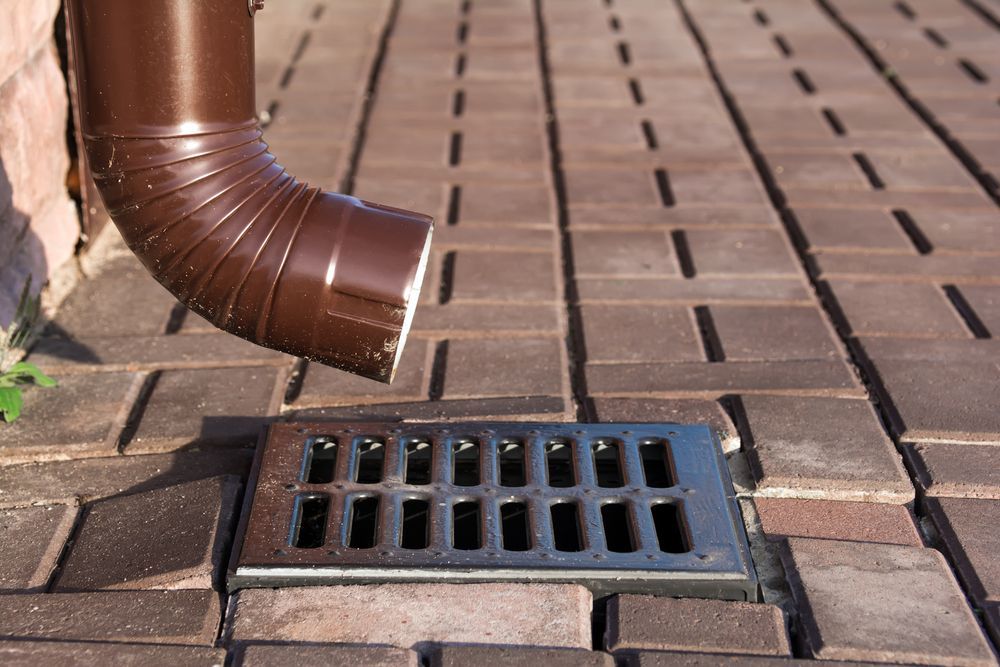
Signs of inadequate capacity include water pooling near downpipes, overflowing pits during rain and erosion around paved areas.
If water backs up quickly during moderate rainfall, the system may not be sized appropriately for roof area or site conditions. Properties that have undergone extensions without drainage upgrades may also experience strain.
A professional assessment can compare current pipe sizing and layout against runoff volume to determine whether upgrades are required.
Where should stormwater discharge?
Stormwater discharge must comply with local regulations and environmental guidelines. In many areas, runoff is directed to street kerbs, approved drainage easements or on-site absorption systems.
Discharge should never undermine foundations or flow onto neighbouring properties. The chosen outlet depends on site slope, soil type and council requirements.
Proper planning ensures water is managed responsibly and does not create downstream issues for surrounding properties.