
Installing & Repairing Septic Tanks in Kingscliff
Customer Focused
Fast & Efficient Service
Quality Workmanship
Licensed & Insured
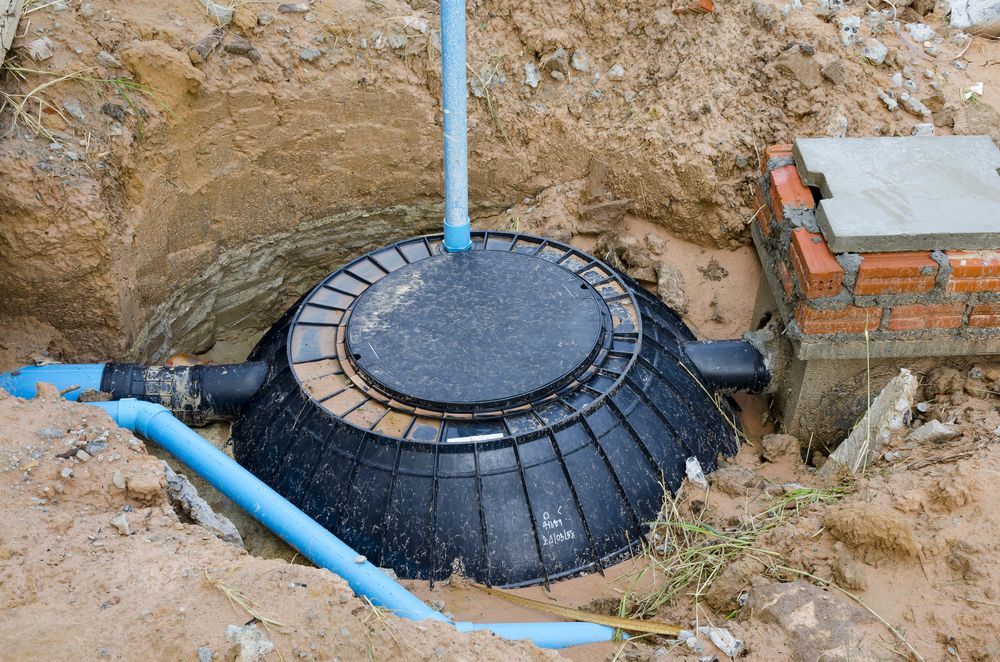
Septic Tanks Built to Last
When your property isn’t connected to the main sewer, your septic system becomes one of the most important pieces of infrastructure on site. At Stewys, we install and repair septic tanks in Kingscliff, helping homeowners and rural property owners manage wastewater safely and efficiently. A well-designed system needs the right tank size, correct placement and proper drainage to perform over the long term.
We handle new septic tank installations, replacements for ageing systems and repairs when components begin to fail. If you’re building, upgrading or experiencing problems with existing septic tanks in Kingscliff, give us a call on 0447 882 329.
Your Local Plumbing Experts
Serving homes and businesses with quality plumbing work and dependable water, gas and drainage systems.
Repairs, Upgrades & Smart Planning
Slow drains, unpleasant odours or soggy ground near your septic tank can point to deeper issues within the system. Early attention often prevents more extensive excavation or replacement later on.
For older properties, upgrading to a modern system can improve performance and meet current environmental requirements. Proper planning also considers soil type, property size and daily water usage. With the right installation and timely repairs, a septic system can operate effectively for many years without ongoing disruption.
Frequently Asked Questions
Can heavy rain affect septic system performance?
Yes, prolonged rainfall can saturate the surrounding soil, reducing its ability to absorb treated wastewater. When the ground is overly wet, drainage slows and may cause wastewater to back up or pool near the tank area.
Properties with poor grading or limited drainage can be more susceptible. Ensuring stormwater is directed away from the septic area helps protect system performance.
If recurring issues appear after heavy rain, it may indicate underlying drainage or design concerns that require professional assessment.
How do I know if my septic tank needs replacing instead of repairing?
The decision between repair and replacement depends on the condition of the tank and surrounding absorption area. Cracked tanks, collapsed walls or severely deteriorated concrete may make replacement more practical.
If recurring blockages or surface pooling continue despite previous repairs, the drainage field may also be failing. A thorough inspection can determine whether structural damage is present or if individual components such as baffles or pipes can be repaired.
Long-term reliability, environmental compliance and overall cost are typically weighed before recommending a full replacement.
What factors determine the size of a septic tank?
Septic tank size is usually based on the number of bedrooms in a home and expected daily water usage. Larger households produce more wastewater, requiring greater capacity to allow solids to settle properly.
Local regulations often specify minimum tank volumes depending on property classification. Soil conditions and available land for the absorption area also influence system design.
Installing an undersized tank can lead to overloading and premature system failure. Careful planning ensures the tank supports long-term performance without unnecessary strain.