Can You Install Security Cameras In A Tweed Heads Rental Property?
Yes, tenants can install some security cameras in Tweed Heads rental properties, but how the camera is mounted matters. Under current NSW rental rules, a wireless removable outdoor security camera is considered a minor change. If installation involves drilling, permanent wiring or altering the property, you generally need to check your lease and obtain your landlord's written permission.
Camera placement matters too. A rental-friendly installation should protect your home without unnecessarily recording neighbouring properties or shared spaces.
Can I Install Security Cameras In A Rental Property?
NSW Fair Trading says tenants can make changes where the lease allows them or the landlord provides written permission. Landlords cannot unreasonably refuse consent for certain minor changes specified under NSW tenancy rules.
Importantly for renters, a wireless removable outdoor security camera is specifically included among minor changes. NSW guidance also recognises modifications that don't penetrate or permanently alter a surface, fixture or the structure of the premises. That makes removable wireless or battery-powered cameras an obvious option to consider if you're renting.
It doesn't mean tenants have unrestricted permission to install any CCTV system wherever they want. How the camera is installed, the type of property, your lease and where the camera records still need consideration.
Do I Need My Landlord's Permission To Install Security Cameras?
If your proposed installation alters the rental property, start by checking the tenancy agreement and requesting written consent where required. NSW Fair Trading states that tenants must not make changes without written landlord consent unless those changes are allowed under the tenancy agreement.
It also sets out rules governing minor alterations and when a landlord can or cannot reasonably refuse permission. This becomes particularly relevant if a security camera installation requires:
- Drilling through walls, eaves or other surfaces
- Running permanent cabling
- Installing fixed mounting hardware
- Modifying existing electrical infrastructure
- Penetrating exterior surfaces
- Making changes to common property
If you're unsure, getting written approval before installation provides a clear record of what the landlord or agent agreed to.
Are Wireless Security Cameras Better For Tweed Heads Renters?
Wireless and battery-powered cameras can be particularly practical in rental properties because some systems can be installed without permanent cabling or significant alterations.
A removable camera may be positioned using an appropriate non-permanent mounting method rather than drilling through the building. This can also make removal easier when the tenancy ends.
There are trade-offs. Battery cameras need charging or battery replacement, Wi-Fi coverage needs to be reliable, and positioning still determines how useful the footage will be.
For a more detailed comparison, read our guide to wireless vs wired security cameras. Renters shouldn't choose wireless purely because it sounds easier, either. Check that the proposed mounting method won't damage paint, render, cladding or other surfaces when removed.
When Does A Wired CCTV System Need Landlord Approval?
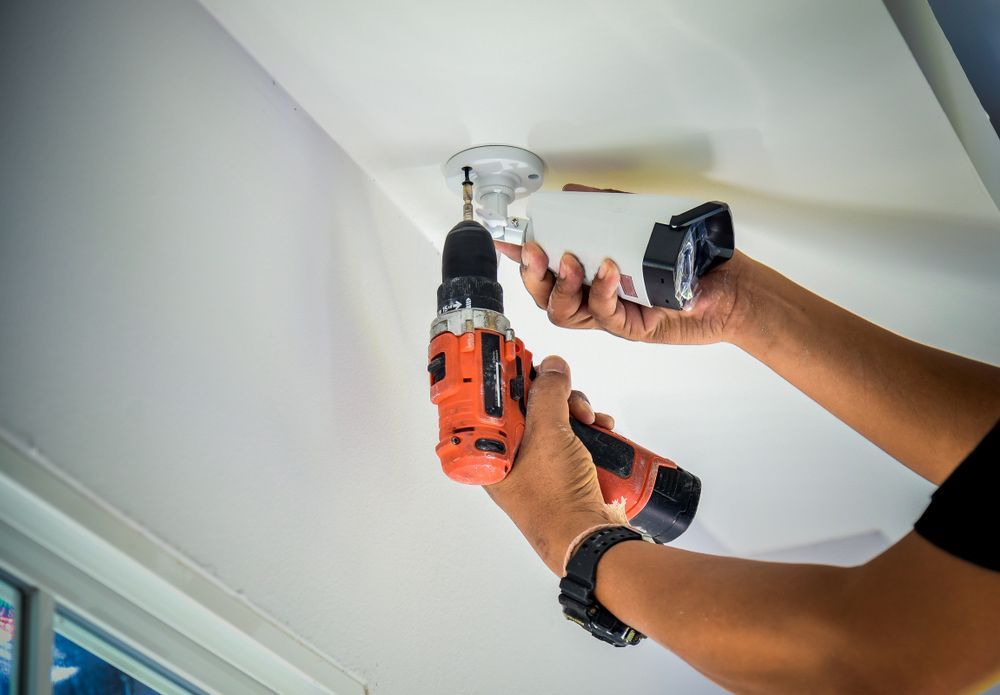
A conventional wired CCTV installation usually involves more work to the building than placing a removable battery camera. Cables may need to run through roof spaces or walls, cameras may require permanent mounting, and other equipment may need a fixed installation. Those changes can go beyond a simple removable setup.
For tenants, that means discussing the proposal with the landlord or property manager before work begins and obtaining the required written permission.
Example: A Tweed Heads tenant wants cameras covering the front entrance and backyard. Rather than immediately drilling into the eaves, they first ask the property manager whether permanent cameras are permitted. If the landlord doesn't approve a fixed installation, the tenant can investigate whether a suitable removable wireless setup provides the coverage they need without permanently altering the property.
The important part is deciding what the tenancy allows
before holes are drilled or cables are installed.
Where Can You Point Security Cameras At A Rental Property?
Installation permission is only one part of the issue. You also need to think carefully about what the cameras can see and hear. NSW's Surveillance Devices Act regulates surveillance devices, and NSW Fair Trading specifically notes this when discussing removable outdoor cameras at rental properties.
For practical residential CCTV design, cameras should focus on areas you genuinely need to protect, such as your entrance, driveway or relevant private outdoor space. Avoid unnecessarily directing cameras into a neighbour's windows, private backyard or other areas unrelated to your property's security.
Audio recording also deserves particular caution because surveillance laws distinguish between different types of surveillance devices and conduct. Don't assume that because a camera can record sound, you should automatically enable that function.
For apartments, townhouses and other strata properties, common property can introduce additional restrictions. NSW Fair Trading notes that some minor-change provisions have restrictions or exclusions for properties in strata schemes, so check the specific situation before installing equipment outside your rented lot.
Can A Landlord Install Security Cameras At An Investment Property?
Landlords can consider CCTV for appropriate areas of an investment property, but owning the property doesn't remove the tenant's rights. NSW tenants have a right to reasonable peace, comfort and privacy in their rented home. Landlords and agents also have rules governing when and why they can enter rented premises.
That means a landlord considering cameras around an occupied rental should think carefully about placement and purpose. Cameras intended to protect appropriate exterior areas shouldn't become a means of monitoring a tenant's private day-to-day life. For strata properties, landlords should also determine whether the proposed camera affects common property and whether owners corporation requirements apply.
If you're an investor planning security upgrades, deciding where equipment can legally and practically be installed should happen before the cameras are purchased.
What Should Tenants Check Before Installing CCTV?
A little preparation can prevent disagreements with the property manager and avoid choosing equipment that doesn't suit the building. Before installation:
- Read your tenancy agreement. Check the terms relating to fixtures and alterations.
- Decide whether the camera can be removable. A battery or wireless option may avoid unnecessary permanent changes.
- Identify the mounting method. Determine whether drilling, screws or cabling will be required.
- Ask for written permission where required. Explain where cameras will be positioned and how they'll be installed.
- Consider strata rules. This is particularly important for apartments and townhouses involving common walls or areas.
- Plan the field of view. Focus cameras on the areas requiring security rather than neighbouring private spaces.
- Plan removal. Know what will happen to mounts, cables and surfaces when the tenancy ends.
NSW tenants are generally responsible for repairing damage they cause and for returning the property as near as possible to its original condition, allowing for fair wear and tear.
What Security Camera Setup Works Best For A Rental?
The best system depends on whether you're a tenant or landlord, the type of property and how much modification is permitted. For a tenant who cannot make permanent alterations, removable wireless cameras may offer the most straightforward solution. A landlord who owns a freestanding investment property may instead prefer a properly planned wired system designed as a long-term part of the property.
Camera positioning should also reflect actual security risks. Covering entry points effectively is generally more useful than installing numerous cameras without a clear purpose. For security cameras in Tweed Heads rental properties, the first step is establishing what can be installed before selecting the equipment.
Should You Use Professional CCTV Installation In A Rental?
Professional advice can be useful even when the property presents installation restrictions. An installer can assess potential camera positions, power requirements, Wi-Fi coverage and cabling options while considering how much alteration the proposed setup requires.
For permanent systems, professional planning becomes even more important. A poorly positioned camera can leave important blind spots even if the equipment itself is high quality.
Once you've confirmed what the lease and any required permissions allow, Stewys Electrical can help with CCTV installation Tweed Heads homeowners, landlords and tenants can tailor to the property.
The key takeaway is that renting doesn't automatically prevent you from improving your security. NSW rules recognise removable wireless outdoor cameras as a minor change, but permanent installation, strata considerations and camera placement can change what approvals you need.
If you're a Tweed Heads tenant or landlord considering CCTV, contact our team at Stewys Electrical. We can discuss the practical installation options for your property so you can choose an appropriate security camera setup before making permanent changes.
Frequently Asked Questions
Can I install security cameras in a rental property in NSW?
Yes, depending on the installation. NSW Fair Trading specifically lists a wireless removable outdoor security camera as a minor change, while other alterations may require written landlord permission.
Do I need my landlord's permission for a wireless security camera?
The answer depends on the setup and your property. NSW rules treat wireless removable outdoor security cameras as minor changes, but tenants should still check their lease and any restrictions applying to their particular property, especially in strata.
Can I drill into the wall to install a security camera?
Don't assume you can. Drilling or permanently attaching equipment alters the property, so check your tenancy agreement and obtain written landlord consent where required before installation.
Can a security camera point towards my neighbour's property?
Camera placement should be carefully limited to areas you genuinely need to monitor. NSW surveillance legislation regulates the use of surveillance devices, so avoid unnecessarily capturing neighbouring private areas and seek legal advice if you're unsure about a particular placement.
Can renters install wired CCTV?
Potentially, but wired CCTV commonly requires permanent mounting and cabling through the building. That makes written landlord approval particularly important before an installer starts work.
Who pays for security cameras in a rental property?
Where a tenant chooses to install an approved alteration, NSW Fair Trading says tenants generally pay for the change unless the landlord agrees otherwise. If a landlord chooses to install a system for their investment property, the arrangements will depend on the circumstances and agreement between the parties.