
Wastewater Treatment Systems in Kingscliff
Customer Focused
Fast & Efficient Service
Quality Workmanship
Licensed & Insured

Built for Off-Grid Living
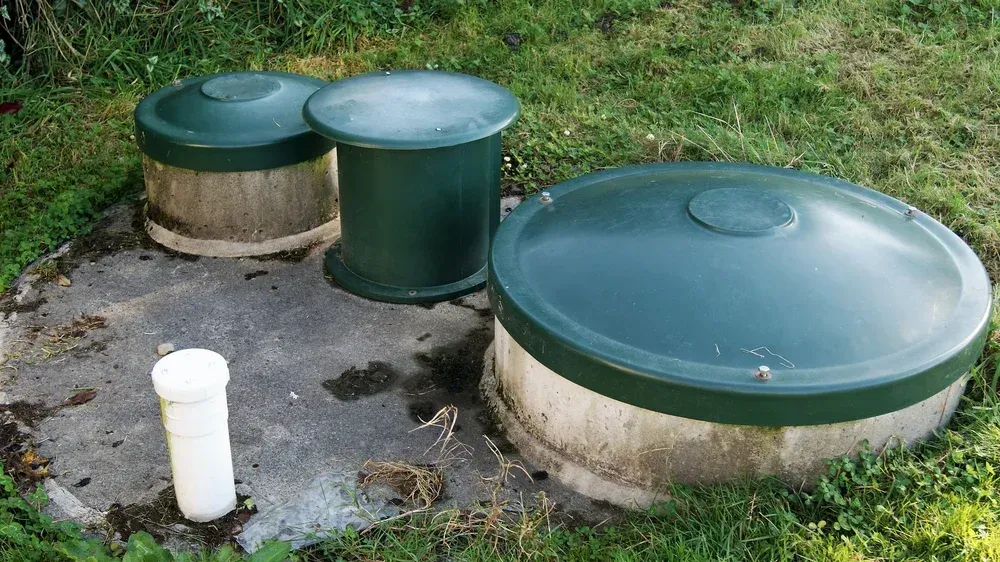
Managing wastewater on-site takes more than a basic tank. It requires a system designed for long-term performance and environmental responsibility. At Stewys, we install and service wastewater treatment systems in Kingscliff, helping homeowners and rural properties treat and disperse wastewater safely. These systems break down waste more thoroughly than traditional setups, producing cleaner effluent suitable for approved irrigation areas.
From new installations to upgrades and servicing, every stage is planned carefully to meet current regulations and site requirements. If you’re building, replacing an ageing unit or upgrading to modern wastewater treatment systems in Kingscliff, give us a call on 0447 882 329.
Your Local Plumber Experts
Serving homes and businesses with quality plumbing work and dependable water, gas and drainage systems.
Designed for Long-Term Performance
Wastewater treatment systems rely on aeration, filtration and controlled dispersal to operate effectively. That means correct installation is essential from the outset. Tank positioning, irrigation layout and ventilation all influence how well the system performs over time.
For properties not connected to sewer, this level of planning protects both the household and surrounding environment. Regular servicing also plays a key role in maintaining treatment efficiency and preventing odours or surface pooling. With the right setup and ongoing care, a modern system can provide consistent, low-impact wastewater management for years to come.
Frequently Asked Questions
How are wastewater treatment systems different from standard septic systems?
Wastewater treatment systems use additional processes such as aeration and filtration to break down waste more thoroughly than standard septic tanks.
While a traditional septic system relies mainly on settling and soil absorption, treatment systems actively introduce air to encourage bacterial breakdown.
The treated effluent is typically cleaner and may be dispersed through approved irrigation areas, depending on local regulations.
This makes them suitable for properties where environmental sensitivity or soil conditions require higher treatment levels before wastewater is returned to the ground.
Can treated wastewater be reused for irrigation?
In many cases, treated wastewater can be dispersed through approved irrigation systems, but reuse depends on system design and local council regulations.
The effluent produced by treatment systems is processed to a higher standard than traditional septic output, making subsurface irrigation possible in suitable conditions. Surface spraying is generally restricted.
Proper design ensures irrigation areas are positioned away from boundaries, waterways and dwellings. Compliance with local environmental requirements is essential before any reuse arrangement is implemented.
What happens if a wastewater treatment system loses power?
If power is interrupted, aeration and pumping components may stop operating temporarily. Short outages typically do not cause immediate issues, but extended power loss can reduce treatment efficiency. Without aeration, bacterial activity may decline, affecting effluent quality.
Once power is restored, the system usually resumes normal operation, though servicing may be recommended if outages are prolonged.
In areas prone to power interruptions, property owners may consider backup options or surge protection to support ongoing performance.