Top 7 Places To Install Security Cameras Around Your Home
There’s a familiar feeling that settles in once the sun goes down and the house goes quiet. You’ve locked the doors, checked the windows and turned off the lights, yet there’s still that lingering question: can you actually see what’s happening around your home when you’re not looking? For many homeowners, that’s where security cameras in Tweed Heads become less of a luxury and more of a practical safeguard.
Installing security cameras isn’t just about mounting a device under the eaves and hoping for the best. Effective coverage requires a deliberate plan, one that maps out high-traffic areas, vulnerable entry points and natural blind spots. With the right placement, your system becomes a cohesive network rather than a collection of disconnected lenses. The goal is simple: maximise visibility, reduce hidden gaps and create a strong visual deterrent without overcomplicating your home’s layout.
Below are seven of the most valuable places to install security cameras around your home and how each position contributes to a more complete security strategy.
The Front Door Sets The Standard For Visibility
It makes sense to begin where most interactions occur. Your front door is the primary access point for visitors, deliveries and service providers, and unfortunately, it’s also a common focus for opportunistic activity. A well-positioned camera here captures clear facial detail and records anyone approaching or lingering near the entrance. Rather than mounting it too high or too low, professional placement ensures the angle captures faces instead of just the top of someone’s head or their back as they walk away.
When installing security cameras at the front door, consider:
- Mounting at a height that avoids tampering
- Positioning to minimise glare from direct sunlight
- Ensuring clear visibility of door handles & parcels
- Integrating motion alerts for real-time notifications
This placement alone significantly strengthens your home’s overall coverage.
The Driveway Captures Movement Before It Reaches Your Home
Your driveway acts as a funnel, guiding vehicles and visitors toward your property. Monitoring this space provides an early view of activity before someone even reaches your front door. Driveway cameras are particularly useful for capturing vehicle details and general movement patterns. However, placement must account for headlights at night and changing light conditions throughout the day.
A well-designed setup often includes:
- Wide-angle coverage to track the full approach
- Weather-resistant housings
- Strategic positioning under eaves for protection
- Clear line of sight without obstruction from parked vehicles
By covering this area, you extend your awareness beyond the immediate walls of your home.
Side Gates & Narrow Access Paths Close Hidden Gaps
Side access points are frequently overlooked when homeowners first install security cameras. Yet these narrow pathways often provide discreet routes to the backyard or rear doors. Installing cameras along these corridors ensures that anyone attempting to move out of sight from the street remains visible within your system. Even a single camera aimed at a gate or side entry can eliminate a significant blind spot.
Effective side access coverage involves:
- Positioning to avoid obstruction from fencing or plants
- Adjusting motion sensitivity to prevent false alerts
- Ensuring adequate night vision capability
- Mounting securely to withstand weather exposure
These smaller zones play a larger role in comprehensive protection than many realise.
The Backyard Deserves Equal Attention
It’s easy to assume that fencing alone provides sufficient security in the backyard. In reality, rear areas can be just as vulnerable, particularly if they’re shielded from public view. A backyard camera should focus on entry points such as rear doors, sliding doors and low windows. Rather than covering every square metre of lawn, strategic placement targets areas where access is most likely.
Professional installation typically considers:
- Overlapping views with side cameras
- Infrared capability for low-light monitoring
- Minimising interference from garden features
- Clear sightlines toward external doors
By including the backyard in your plan, you create a continuous ring of coverage around your home.
The Garage Adds A Crucial Layer Of Protection
Garages are often used for far more than parking vehicles. They store tools, equipment and sometimes provide direct internal access to the house. Leaving this space unmonitored creates a gap in your security network. Installing a camera inside the garage captures activity around roller doors and internal entry points. It also provides a record of vehicle movement and stored valuables.
When planning garage coverage, professionals look at:
- Positioning to view both the vehicle area & doors
- Clean, concealed cabling for a tidy finish
- Reliable connection to your main recording system
- Integration with alarms or smart home controls
This placement strengthens the transition between external and internal security.
Interior Cameras Add Value When Used Strategically
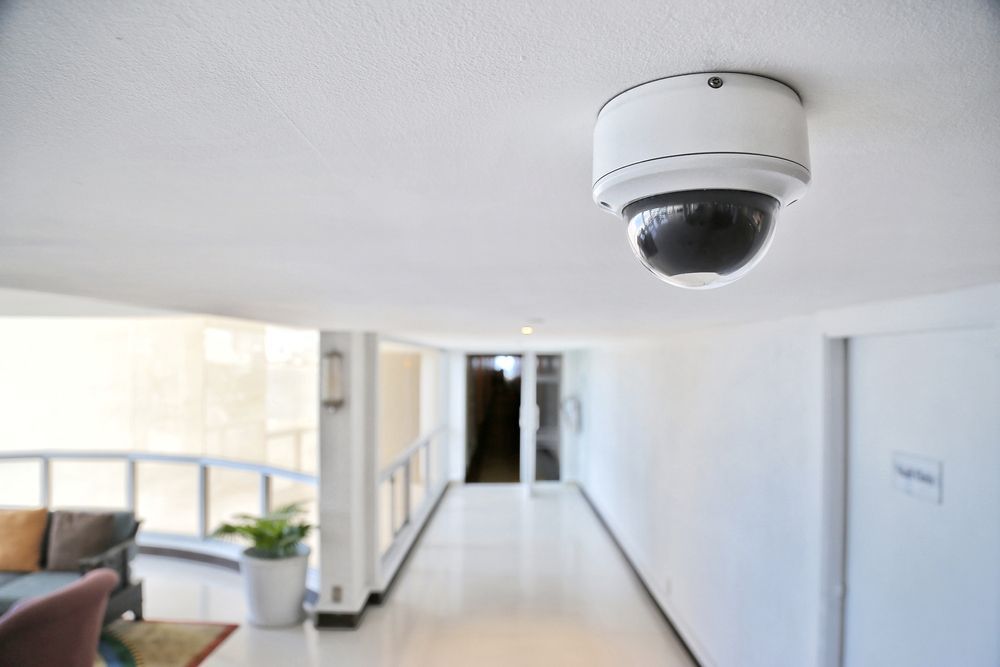
Many homeowners ask whether interior cameras are truly necessary. While not every room requires monitoring, strategic indoor placement can significantly enhance your overall system. Interior cameras are most effective in shared spaces or central hallways that connect multiple entry points. If someone enters through an external door, they’re likely to pass through these areas.
The value of interior security cameras includes:
- Providing clear identification if outdoor footage is unclear
- Monitoring high-traffic living areas
- Offering reassurance during extended absences
- Complementing external coverage rather than replacing it
Used thoughtfully, interior cameras add depth without intruding on everyday comfort.
Windows Accessible From Ground Level Should Not Be Overlooked
Doors are not the only access points. Ground-level windows, particularly those shielded by landscaping, can present opportunities if left unmonitored. Rather than placing a camera directly above every window, the smarter approach is to angle cameras to cover clusters of vulnerable openings. This avoids unnecessary duplication while maintaining clear visibility.
A targeted window strategy often involves:
- Adjusting angles to capture multiple openings
- Ensuring lighting supports clear night footage
- Avoiding obstruction from curtains or external fixtures
- Coordinating placement with backyard & side cameras
Addressing these secondary access points helps complete your security map.
Lighting & Placement Work Hand In Hand
Even the most advanced security cameras depend on good lighting to deliver usable footage. Placement decisions should always consider how natural light, shadows and artificial illumination affect image clarity. Professional installers assess how sunlight shifts throughout the day and where additional lighting may enhance visibility. Cameras positioned without regard to glare or heavy shadow can produce distorted or unusable recordings.
An effective lighting strategy may include:
- Positioning cameras away from direct light sources
- Installing motion-activated lights near entry points
- Using infrared features for low-light conditions
- Adjusting angles to reduce reflection
The result is clearer footage and a more reliable system overall.
Secure Your Home With Confidence
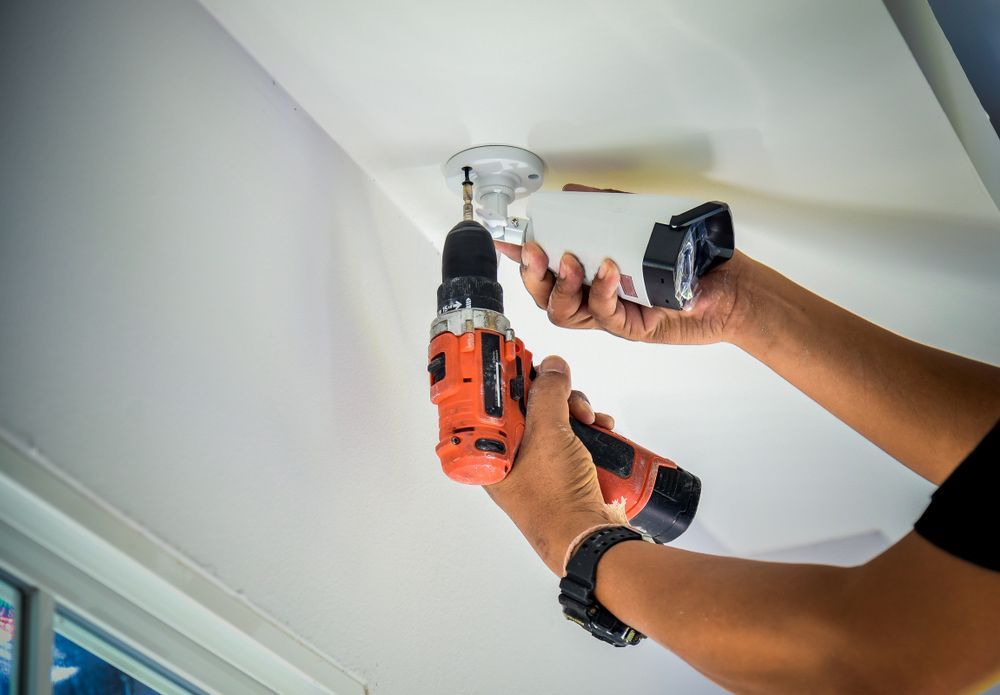
We at Stewy’s Electrical understand that every property in Tweed Heads has its own layout, challenges and security priorities. That’s why we approach each installation with a practical mindset, mapping out high-value locations to maximise coverage and minimise blind spots. If you’re considering security cameras Tweed Heads homeowners trust, our team can design and install a tailored system that aligns with your home’s structure and daily routine. From outdoor placement to strategic interior coverage, we ensure your security cameras work together as a cohesive network. Contact us today to arrange a consultation, call to discuss your options or book a professional installation that gives you greater visibility and peace of mind.