How to Maintain Your Security Cameras in Coastal Tweed Heads
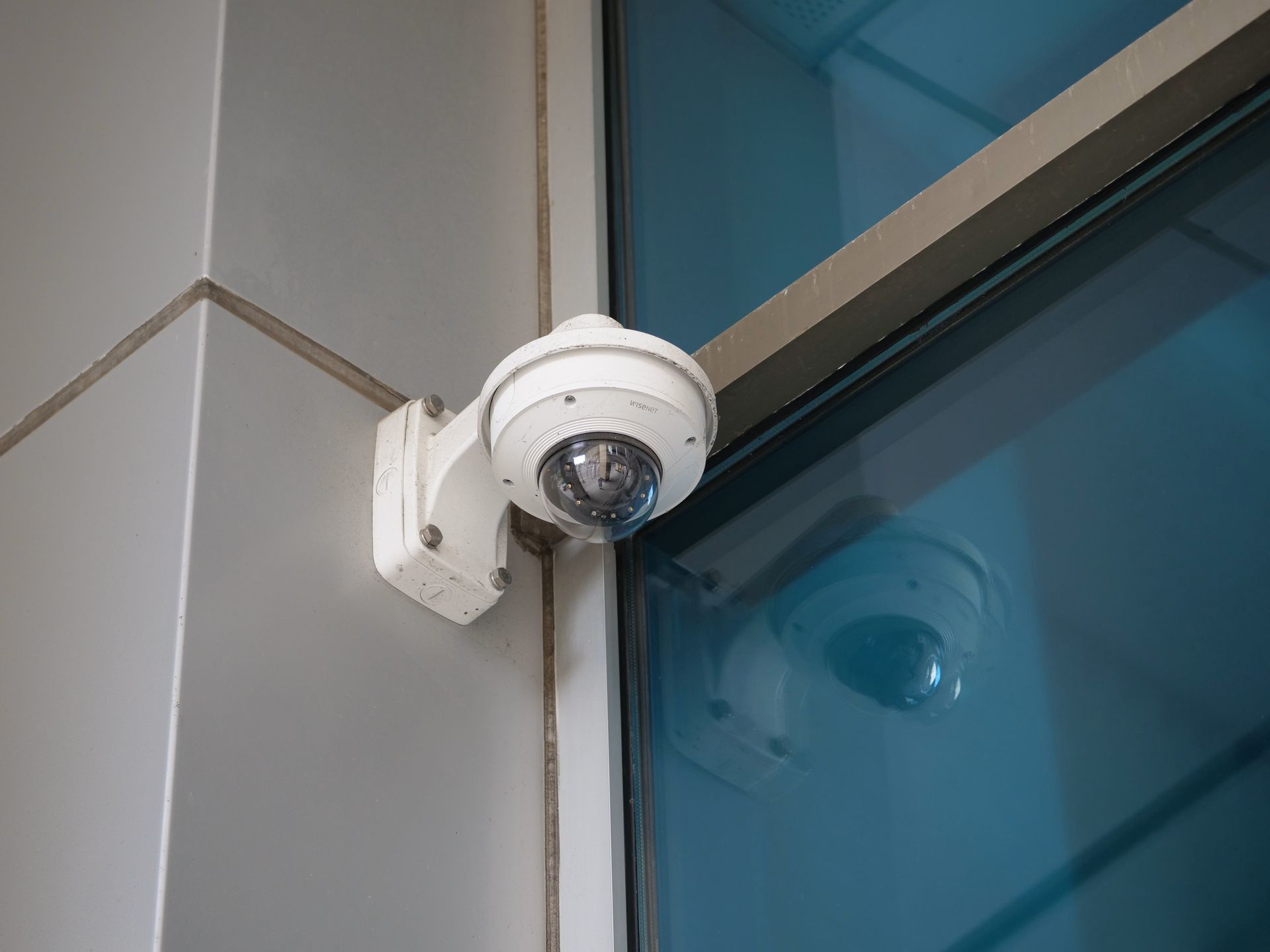
Salt-laden air, humidity and heavy rain take a toll on outdoor electronics far quicker than most homeowners expect. A camera that would last a decade further inland can start showing signs of wear in half that time when it's exposed to sea air and seasonal downpours. Understanding what actually causes this deterioration, and what to do about it, makes the difference between a system that keeps working reliably and one that quietly stops recording when you need it most.
Below is a practical guide to keeping security cameras in Tweed Heads in good working order, covering cleaning routines, wiring, housings and when it's worth calling in a professional.
Why Coastal Conditions Are Tougher on Security Cameras
Airborne salt particles settle on every exposed surface, including lenses, housings and mounting brackets. Over time, this forms a thin film that attracts moisture and accelerates corrosion of metal components. Combine that with high humidity and regular heavy rain, outdoor cameras are working harder than the same equipment would in a drier, inland setting.
- Salt residue can build up on lens covers within weeks, gradually reducing image clarity
- Humidity encourages internal fogging in housings that aren't properly sealed
- Heavy rain events can push water into gaps around cables & fittings if seals have degraded
These three factors rarely act in isolation. It's usually the combination of all three that shortens a camera's working life rather than any single one on its own.
How Often Your Security Cameras Should Be Cleaned
There's no single answer that suits every property, but as a general guide, cameras in coastal locations benefit from a light clean every four to six weeks, with a more thorough check every few months. Properties closer to the water or exposed to strong onshore winds may need attention more often.
- Wipe lenses with a soft microfibre cloth & a lens-safe cleaning solution
- Avoid household glass cleaners, as some contain ammonia, which can degrade lens coatings
- Clean housings with a damp cloth to remove salt film before it hardens & becomes harder to shift
- Check for spider webs or insect nests, as these commonly trigger false motion alerts
Sticking to a regular cleaning routine is one of the simplest ways to keep footage clear and avoid unnecessary call-outs.
The Effects of Coastal Weather on Camera Wiring
Wiring is often the part of a system that suffers first, simply because it's easy to overlook during routine cleaning. Moisture and salt can work their way into cable insulation, connectors and junction boxes over time, particularly if seals weren't installed correctly or have started to break down.
- Look for cracking, discolouration or brittleness in cable insulation
- Confirm that weatherproof glands & junction boxes are still sealed tightly
- Check that exposed connectors have proper heat-shrink or silicone sealant protection
- Test cable runs if footage has been dropping out or cutting in & out intermittently
Catching these issues early usually means a straightforward repair, rather than a full rewiring job further down the track.
Protective Camera Housings
A quality housing acts as the first line of defence against salt spray, rain and UV exposure. It can meaningfully extend the working life of the camera inside it. The upfront cost is generally small compared with the cost of replacing a camera that's failed early due to weather damage.
- Marine-grade or IP66-rated housings offer better protection against moisture ingress
- Housings with sun shields help reduce glare & slow down UV-related plastic degradation
- Vented designs can help reduce internal condensation in humid conditions
- Housings also make routine cleaning and inspection easier, since the camera itself stays better protected
Choosing the right housing at installation is generally far more cost-effective than retrofitting one once a camera has already started to show damage.
Managing Salt Corrosion on Mounts & Hardware
Mounting hardware is often the first thing to show visible corrosion, since it's usually made from lower-grade metal than the camera body itself. Once rust takes hold, it can weaken the mount enough to affect camera positioning or, in worse cases, cause it to come loose.
- Choose stainless steel or marine-grade mounting hardware where possible
- Apply a corrosion-inhibiting spray to brackets during routine maintenance
- Replace fixings showing early signs of rust rather than waiting for full failure
- Check the underside of mounts, as moisture tends to pool & corrode unseen areas first
A quick check of the hardware during each cleaning visit is usually enough to catch corrosion well before it becomes a structural issue.
Preparing Cameras for Heavy Rain & Storm Season
Heavy rain doesn't just test seals and housings; it can also affect visibility and motion detection accuracy if water pools on the lens or drips across the field of view. A bit of preparation before storm season reduces the chance of missed footage when it matters most.
- Angle housings slightly downward so water runs off rather than pooling on the lens
- Check that drainage holes in housings & junction boxes aren't blocked by debris
- Review motion sensitivity settings, as heavy rain can sometimes trigger false alerts
- Confirm that power supplies & any battery backups are functioning properly ahead of storm season
Taking these steps ahead of the wetter months means one less thing to worry about when a storm does roll through.
Testing Night Vision & Image Quality
Infrared LEDs and image sensors can be affected by dust, salt film and general wear, often without an obvious sign until footage quality drops off. Testing these functions periodically confirms the system is still performing as intended after dark.
- Review recorded footage from overnight hours to check infrared clarity
- Watch for a soft or hazy appearance, which can indicate lens fogging or IR LED degradation
- Confirm daytime footage hasn't developed a washed-out or discoloured tint, which can point to sensor wear
A quick review of recent footage every so often is an easy way to confirm the system is still capturing clear, usable detail.
When to Book a Professional Inspection
Regular cleaning and visual checks go a long way, but a periodic professional inspection picks up on issues that aren't obvious from ground level, such as internal corrosion, wiring faults or power supply problems. This is particularly worthwhile for larger systems with multiple cameras, recorders and networked components.
- An electrician can check power supply units, wiring & connections for safety & reliability
- Professional servicing can identify early corrosion inside housings before it spreads further
- System configuration, including storage & remote access settings, can be reviewed & optimised
- Faulty units can be diagnosed & replaced with hardware better suited to coastal conditions
Booking a professional check once or twice a year is generally enough to keep a system running smoothly alongside regular home maintenance.
Keeping Your Cameras Coastal-Ready
We at Stewys Electrical and Communications understand that maintaining security cameras in Tweed Heads comes with its own set of challenges, given the steady exposure to salt air, humidity and heavy rain that local properties face. If your system is due for a check-up, showing signs of wear or you're searching for security cameras near me and want a team that understands local conditions, we're happy to help.
Get in touch to book an inspection, or visit our
security cameras Tweed Heads page to find out more about our services.